Loading...
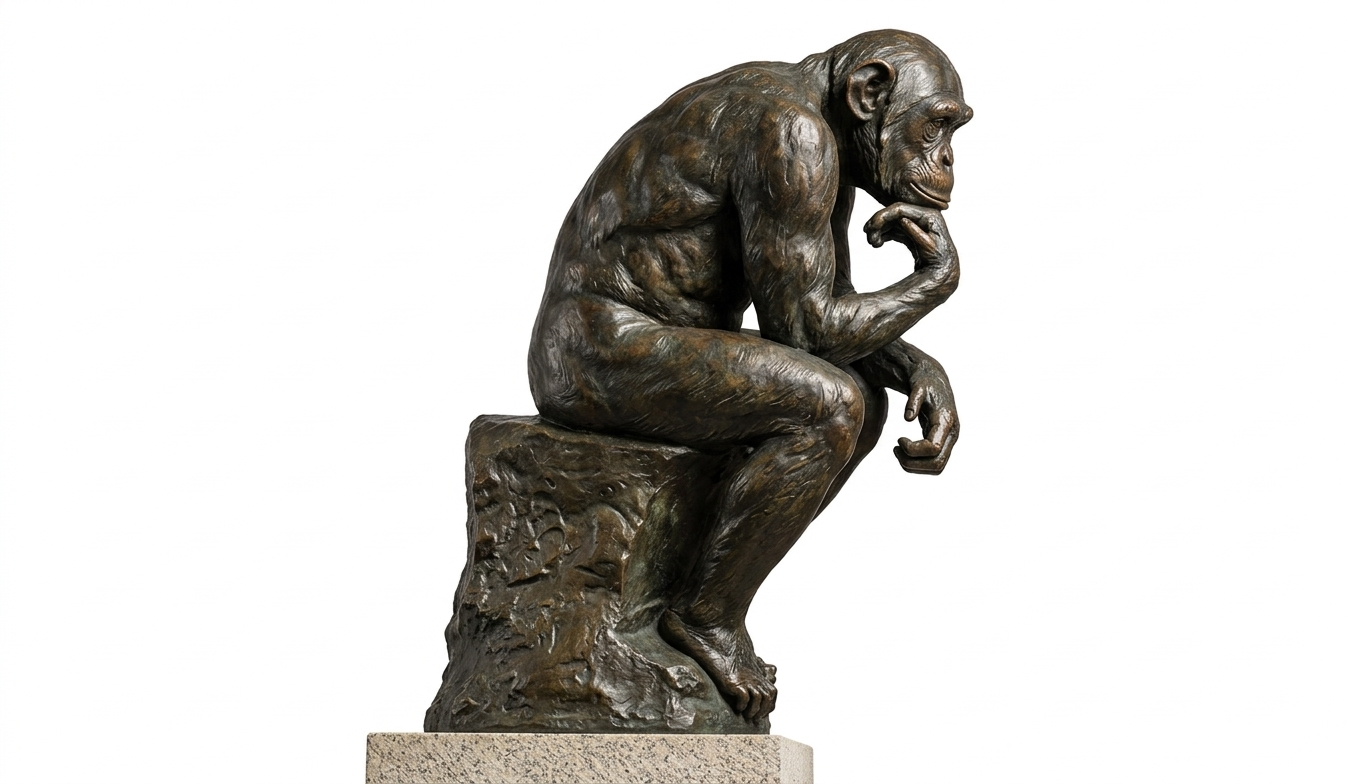
Mental models, decoded from real events
See the hidden forces behind the events that shaped the world — and build a mind that spots them everywhere.
In 1971, Southwest Airlines launched with three Boeing 737s serving three Texas cities. Co-founder Herb Kelleher made a series of decisions that looked like limitations but were actually a blueprint. Southwest would fly only 737s—no 747s, no regional jets, just one aircraft type. No assigned seats. No meals. No hub-and-spoke routing. No interline baggage agreements. No first class. Each removal solved a specific bottleneck. A single fleet type meant any mechanic could fix any plane, any pilot could fly any route, and spare parts inventory dropped 90%. No assigned seats meant passengers boarded in 20 minutes instead of 40. No meals meant cabins were cleaned in 5 minutes. No hubs meant planes flew point-to-point, spending 11 hours daily in the air versus the industry average of 8. Gate tu...
Popular framing: Southwest is cheap because Herb Kelleher was a fun cost-cutter.
Structural analysis: Southwest is an interdependent system of constraints — one aircraft type, no hubs, no meals, no assigned seats — where each removal unlocks the next: single fleet enables fast turnarounds, fast turnarounds enable point-to-point economics, point-to-point enables low fares, low fares drive volume, volume justifies the single fleet. Copycats failed because they treated the model as a feature menu rather than a system. Add one element of complexity and the whole geometry unravels.
The popular framing leads imitators to copy outputs (low fares, casual branding) rather than redesign inputs (fleet homogeneity, boarding process, route topology). Understanding the gap matters because it explains why incumbents with superior resources consistently failed to replicate Southwest's model — the strategy is only accessible to an entity willing to accept total constraint from day one, which path-dependent legacy systems structurally cannot do.
See the hidden forces behind the events that shaped the world — and build a mind that spots them everywhere.