Loading...
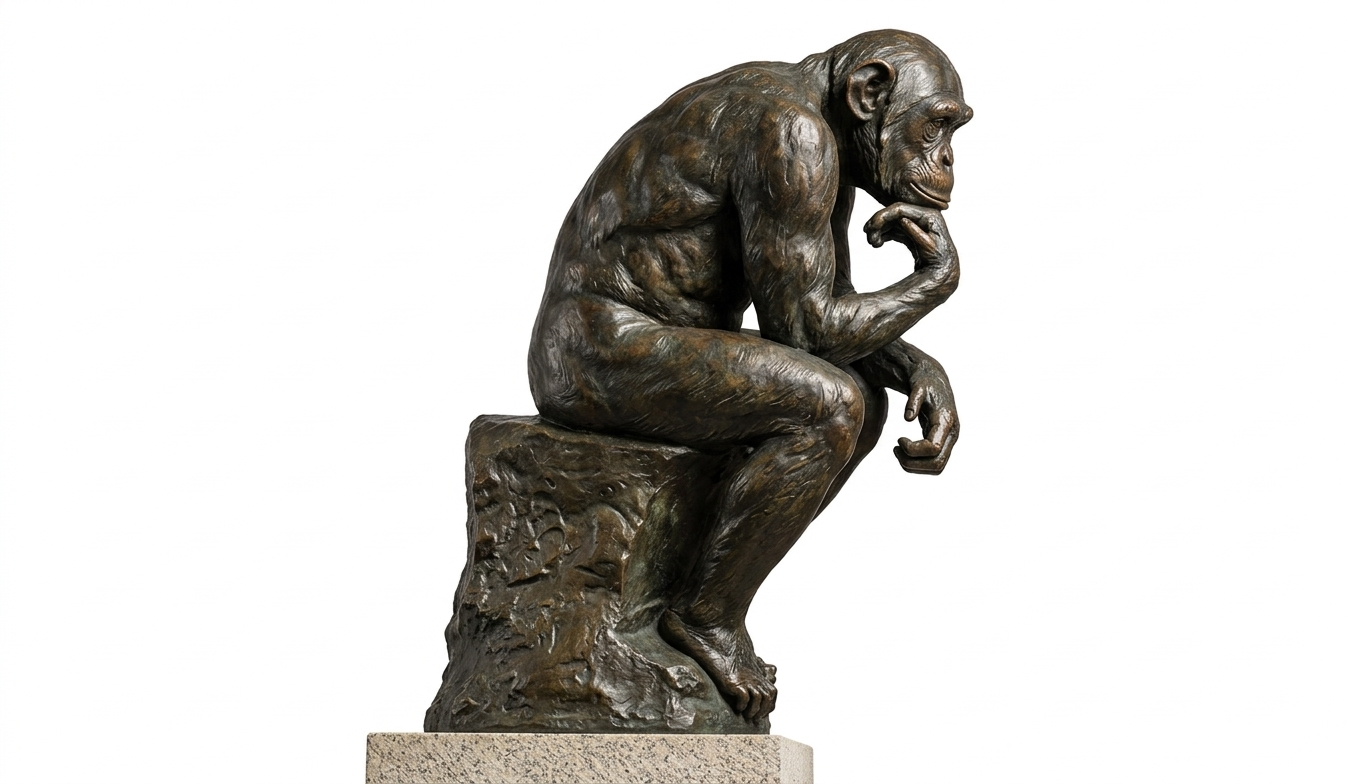
Mental models, decoded from real events
See the hidden forces behind the events that shaped the world — and build a mind that spots them everywhere.
In 2011, the Syrian civil war began displacing civilians. By 2015, over 4 million Syrians had fled the country, with the largest numbers going to neighboring Turkey (2.5 million), Lebanon (1.1 million), and Jordan (630,000). Lebanon, a country of 4.5 million people, absorbed refugees equal to 25% of its population — an influx that would be equivalent to the United States accepting 80 million people in four years. The strain on host countries created cascading failures. In Lebanon, the sudden population increase overwhelmed water systems, hospitals, and schools. Rents in border regions doubled. Lebanese workers, particularly in construction and agriculture, found themselves competing with Syrian refugees willing to work for lower wages. Youth unemployment, already high, spiked further. T...
Popular framing: Refugees flooded Europe and a few weak governments lost control.
Structural analysis: Displacement creates a coordination problem with strong free-rider incentives: every receiving country gains by refusing its share, so burden falls on geographic-accident neighbors until cascading second-order effects — housing strain, wage competition, populist backlash — feed back into the political instability that produces more displacement. Path dependence locks the cycle: each refusal makes the next one easier to justify.
Focusing on political will obscures why the system produces the same outcome regardless of which leaders are in power: without a binding burden-sharing mechanism that internalizes externalities, every state actor is playing a game where defection dominates cooperation. Moral appeals fail repeatedly because the incentive structure hasn't changed — and won't change until the costs of displacement are redistributed at the point where they are generated, not absorbed by whoever is geographically closest.
See the hidden forces behind the events that shaped the world — and build a mind that spots them everywhere.