Loading...
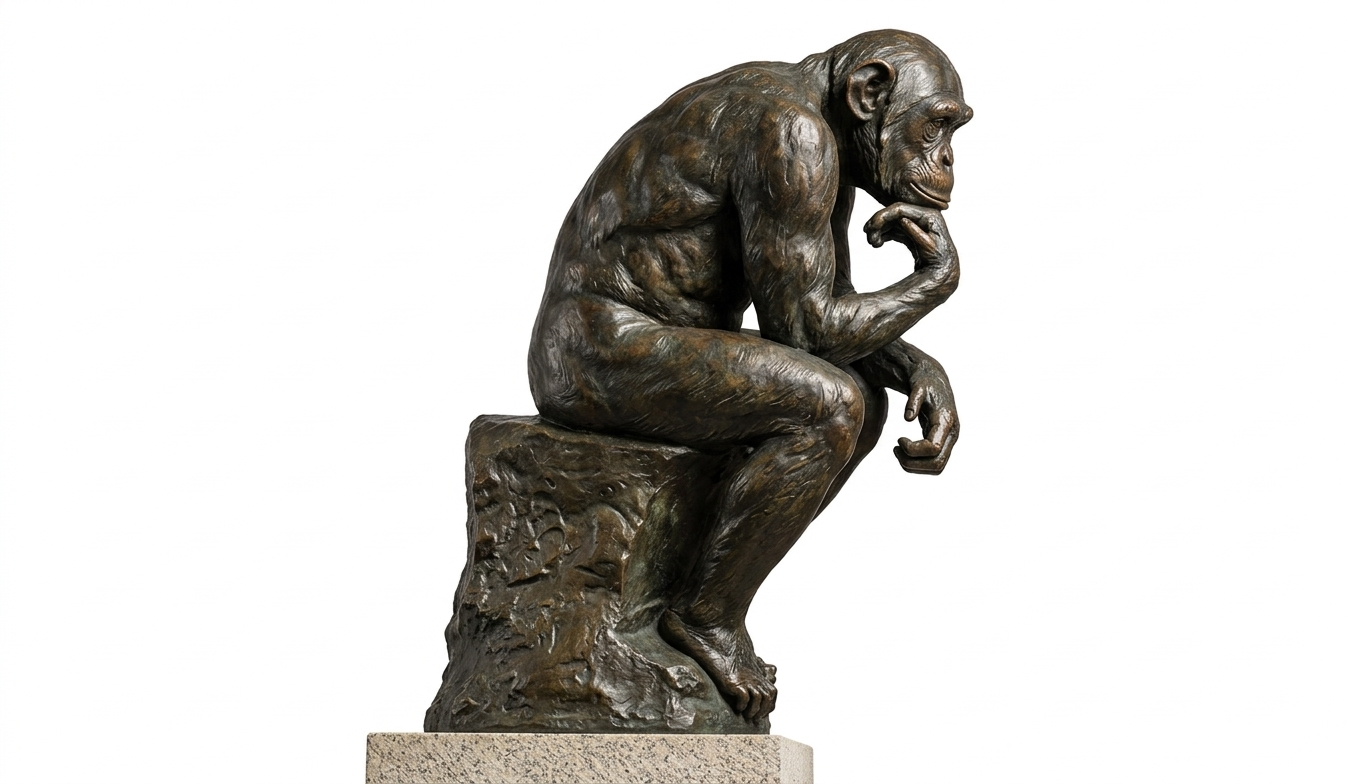
Mental models, decoded from real events
See the hidden forces behind the events that shaped the world — and build a mind that spots them everywhere.
In May 2024 the NCAA and the Power Five conferences agreed to settle House v. NCAA and related antitrust class actions, committing to roughly $2.78 billion in back damages over ten years and, prospectively, to direct revenue-sharing with athletes — formally ending the legal fiction of pure amateurism. The popular framing names college athletes finally getting paid; the structural framing is that a labor cartel held compensation suppression in place for decades through collective rule-making and a Supreme-Court-blessed antitrust shield, and that shield eroded once NIL markets, conference-realignment media-rights money, and successive antitrust losses (NCAA v. Alston, 2021) converged faster than the NCAA could rewrite its rules. The settlement does not end the structural contest — it shif...
Popular framing: College athletes finally get paid.
Structural analysis: A labor cartel lost legal cover for compensation suppression once NIL markets, media rights money, and antitrust pressure converged faster than the NCAA could adjust its rules. The settlement reshapes the compensation regime; it does not resolve the underlying labor-law category fight.
Naming a win protects the next contest. The structural framing — cartel behavior, antitrust-shield erosion, and bargaining-power asymmetry — points to interventions at the seams of FLSA classification, Title IX allocation, and conference-tier divergence. The same shape applies to any quasi-amateur labor regime when an outside market emerges.
See the hidden forces behind the events that shaped the world — and build a mind that spots them everywhere.