Loading...
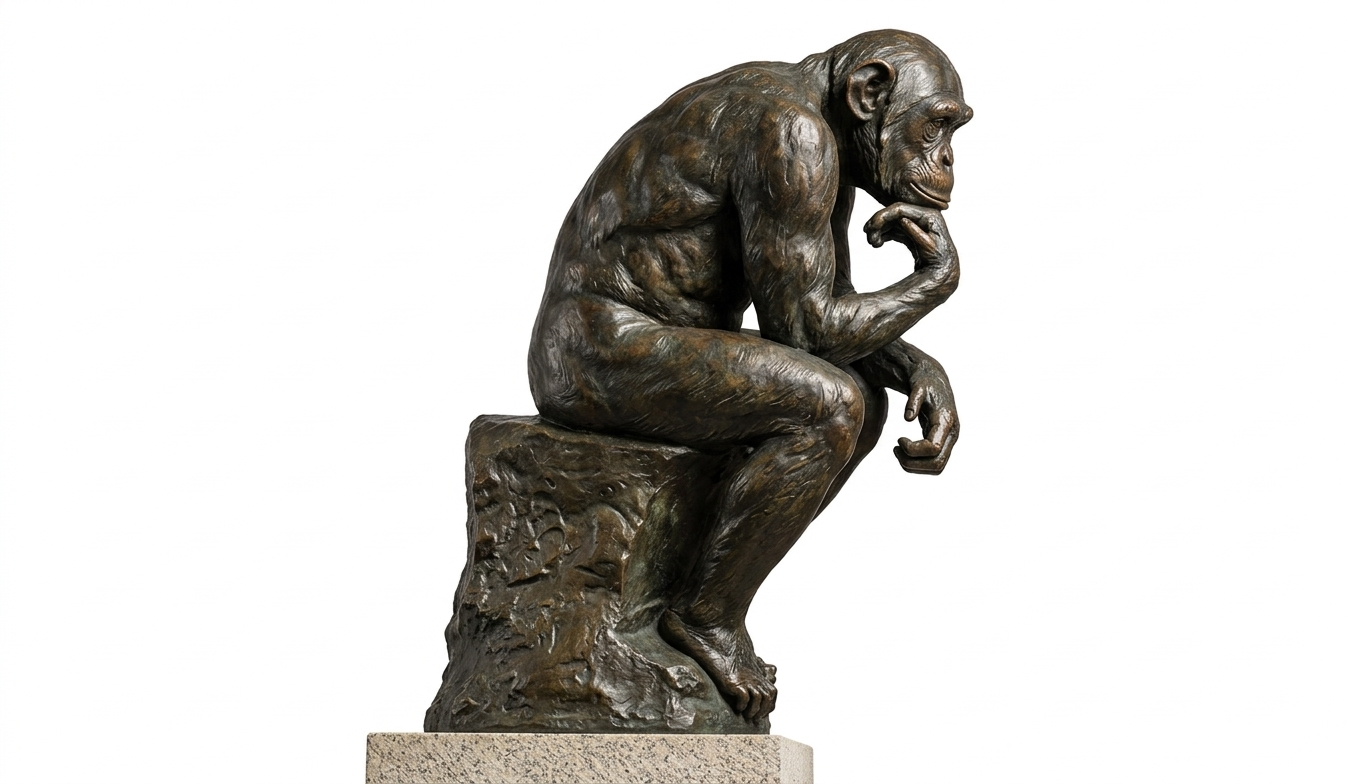
Mental models, decoded from real events
See the hidden forces behind the events that shaped the world — and build a mind that spots them everywhere.
In 2006, MySpace was the largest social network on Earth. With 100 million users and a $580 million acquisition by News Corp, it seemed unassailable. Facebook, founded in a Harvard dorm in 2004, had just 12 million users — mostly college students. By raw numbers, MySpace should have won. But Facebook had a structural advantage: real-identity profiles and a clean interface that made finding actual friends effortless. Through 2007, Facebook opened registration beyond colleges. Early adopters joined because a few close friends were already there. Each new user made the platform slightly more valuable for everyone else — classic network effects compounding quietly. The critical shift came in mid-2008. Facebook crossed 100 million users globally, matching MySpace. But the dynamics underneath...
Popular framing: Facebook had a better product so users switched.
Structural analysis: Social networks live on network-effect feedback: once any friend group passes a 60-70% Facebook adoption threshold, the remaining MySpace feed empties out and the cost of staying becomes higher than the cost of moving. The result is a phase transition, not a gradual migration, and a power-law winner-take-all distribution because second place in a general-purpose social network is worth essentially zero.
The popular narrative attributes the outcome to human decisions (design, management) rather than structural dynamics (phase transitions, local tipping points), which makes it feel more controllable and learnable than it was. This gap matters because it leads companies to invest in product improvement and management quality as defenses against network collapse — when the actual defense is maintaining local social graph density, a fundamentally different problem. It also makes Facebook's own dominance appear more stable than it structurally is.
See the hidden forces behind the events that shaped the world — and build a mind that spots them everywhere.