Loading...
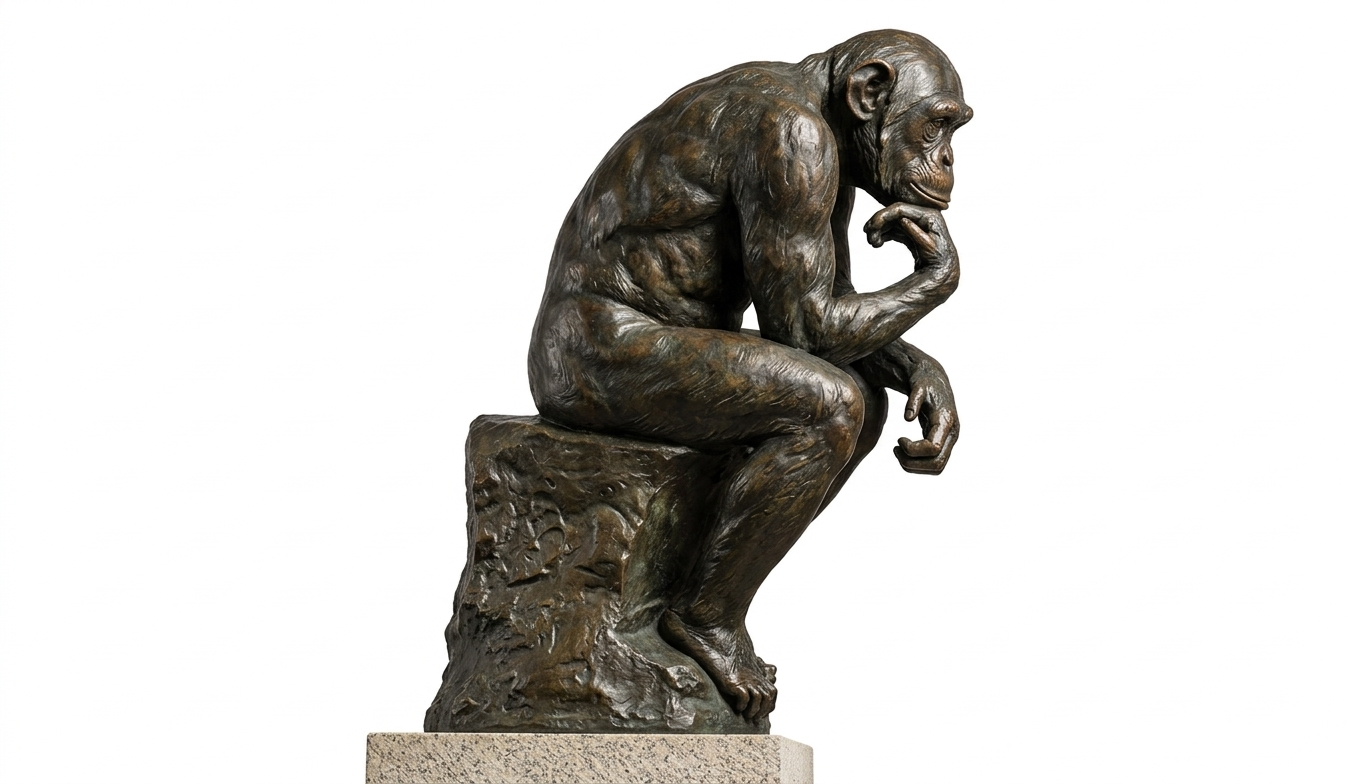
Mental models, decoded from real events
See the hidden forces behind the events that shaped the world — and build a mind that spots them everywhere.
In January 1946, Stanislaw Ulam lay recovering from emergency brain surgery for encephalitis at a hospital in Los Angeles. The brilliant Polish-American mathematician, who had helped design the atomic bomb at Los Alamos, found himself too weak to do serious mathematics. So he played solitaire—game after game of Canfield solitaire, laid out on his hospital bedsheets. A deceptively simple question seized him: what is the probability of winning a Canfield game? He tried the analytical approach first, attempting to enumerate all possible card arrangements—but with 52 cards, the combinatorial explosion was staggering. There were more possible deals than atoms in the Earth. After days of failed calculations, Ulam had his insight: instead of computing the exact answer, why not just play 100 ga...
Popular framing: Ulam invented Monte Carlo while bored playing solitaire.
Structural analysis: When analytical solutions hit a combinatorial wall, probabilistic sampling substitutes scenario enumeration for closed-form computation — trade exact-but-infeasible for approximate-but-tractable. Sensitivity analysis then identifies which input variables actually move the output, so compute can concentrate where it matters. The card game was the trigger; the method works because the geometry of high-dimensional problems rewards sampling over enumeration.
Framing Monte Carlo as an individual invention obscures why it became so dominant: modern civilization increasingly depends on managing systems where exact solutions are impossible and decisions cannot wait. Monte Carlo isn't just a method—it's a response to complexity overload. Understanding this gap matters because it explains why Monte Carlo appears everywhere yet is often misapplied: practitioners inherit the tool without inheriting the epistemic discipline of knowing when approximation is sufficient and when it dangerously masks model uncertainty.
See the hidden forces behind the events that shaped the world — and build a mind that spots them everywhere.