Loading...
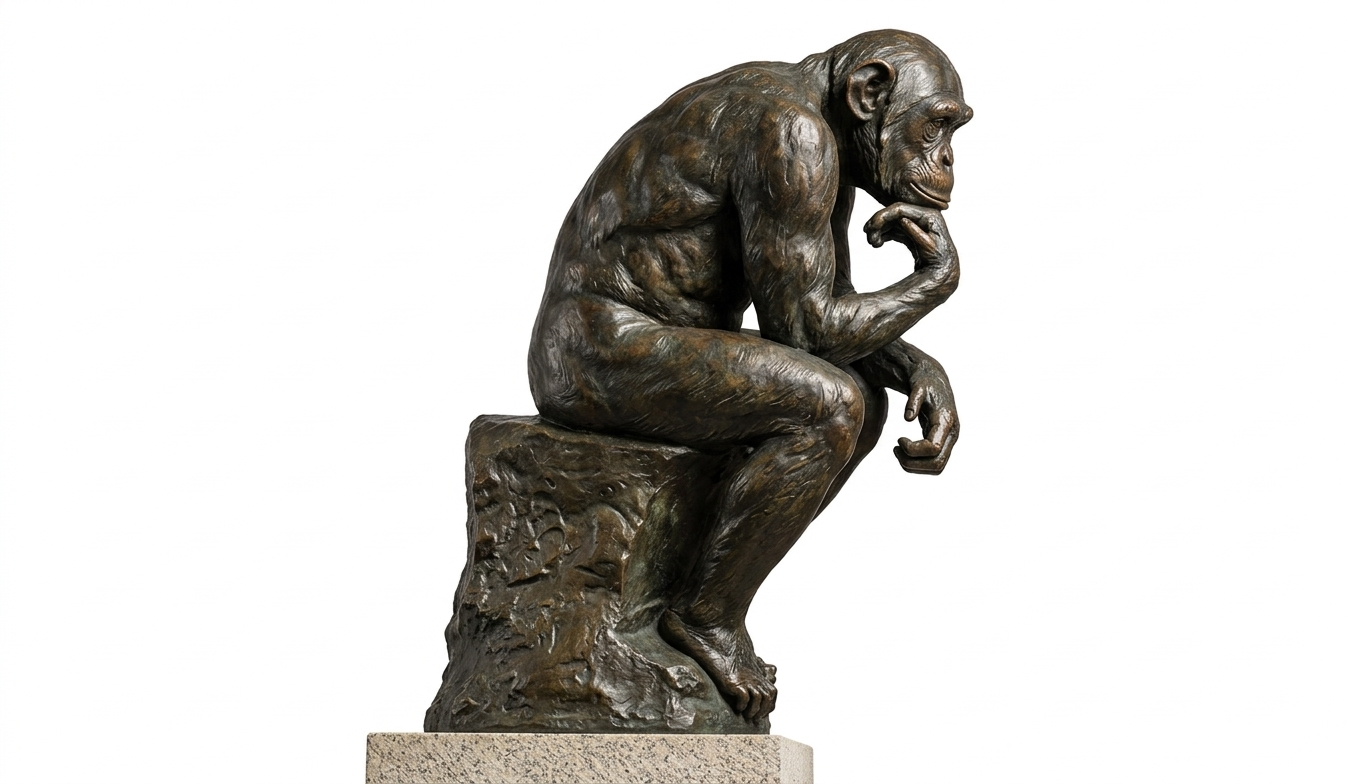
Mental models, decoded from real events
See the hidden forces behind the events that shaped the world — and build a mind that spots them everywhere.
In 1945, Percy Spencer was one of the most respected engineers at Raytheon, a defense contractor manufacturing magnetrons—vacuum tubes that generated microwaves for WWII radar systems. Spencer, a self-taught engineer who never finished grammar school, was testing a magnetron producing 10-centimeter wavelength microwaves when he noticed the chocolate bar in his shirt pocket had melted into a sticky mess. Most engineers had felt warmth near magnetrons before. They dismissed it as an annoyance—background noise from the equipment. Spencer did not dismiss it. He recognized a signal: directed microwave energy could heat food rapidly from the inside out. The next day, he placed unpopped popcorn kernels near the magnetron. They exploded across the lab. Then he tried an egg, which famously burst...
Popular framing: A radar engineer noticed a melted chocolate bar and got lucky.
Structural analysis: The magnetron was already optimized for a different problem (radar); the kitchen appliance was an exaptation. The signal (heat near the tube) had been available to many engineers but read as noise; one recognized it as a directed-energy heating mechanism. Mass adoption then required two more catalysts — smaller, cheaper cavity magnetrons plus a countertop form factor — to drop the activation energy below household threshold.
Focusing on the serendipitous origin collapses a 30-year systemic process into a single moment, making innovation look like luck rather than the sustained lowering of activation energy barriers. This matters because it produces the wrong policy lesson: if innovation is accidental, you fund more basic research and wait; if innovation is about reducing activation energy, you invest in the catalysts — infrastructure, miniaturization, manufacturing scale, and market development — that convert discoveries into impact.
See the hidden forces behind the events that shaped the world — and build a mind that spots them everywhere.