Loading...
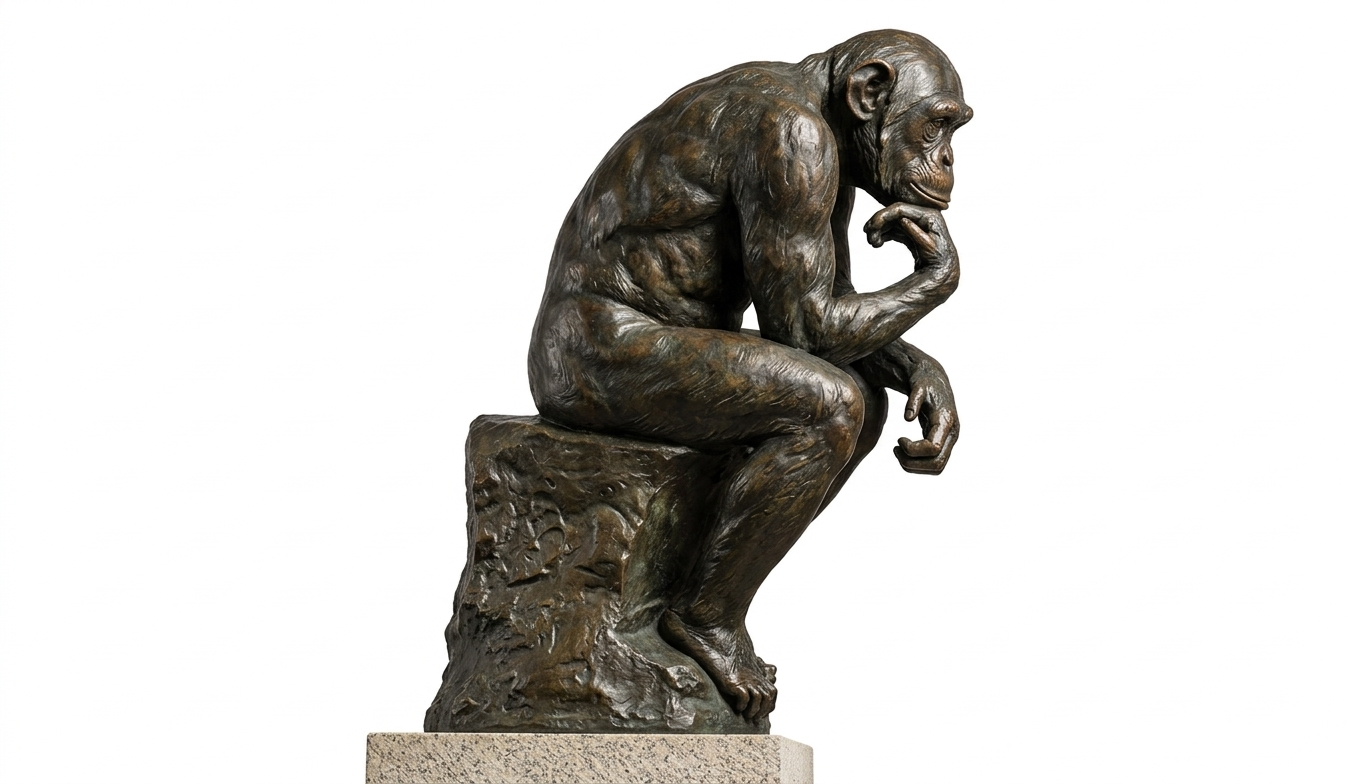
Mental models, decoded from real events
See the hidden forces behind the events that shaped the world — and build a mind that spots them everywhere.
Mira books a round-trip flight from Chicago to Miami on March 3rd for a vacation starting April 15th. She compares dates, picks a Tuesday departure, and pays $237. Six weeks later, Leo — sitting in the seat right next to her — books the same flight on April 10th, just five days before departure. He pays $814. Same plane, same row, same tiny bag of pretzels. The price difference: $577. Here's what's happening behind the scenes. The airline's revenue management system divides its 180 seats into twelve fare classes, each with a different price. When Mira booked early, 94 seats remained unsold. The algorithm priced aggressively low to fill the plane. By the time Leo books, only 11 seats are left and the system detects signals: he's booking last-minute, chose a weekday, and didn't check the ...
Popular framing: Airlines gouge desperate travelers because they're greedy.
Structural analysis: Fare structure is engineered mechanism design: twelve fare classes plus advance-purchase fences and Saturday-stay rules sort passengers by willingness to pay, while one-sided information asymmetry (the airline sees seats left, competitor prices, no-show rates; passengers see only their own quote) lets the system extract maximum revenue from each segment instead of a single market-clearing price.
The popular framing locates agency in the consumer (book smarter, book earlier) while the structural reality is that the mechanism is specifically engineered to defeat consumer agency. This gap matters because it channels frustration into individual behavioral change while foreclosing the regulatory and collective framing that could address the underlying information monopoly. As long as consumers believe the solution is personal optimization, the system faces no structural pressure.
See the hidden forces behind the events that shaped the world — and build a mind that spots them everywhere.