Loading...
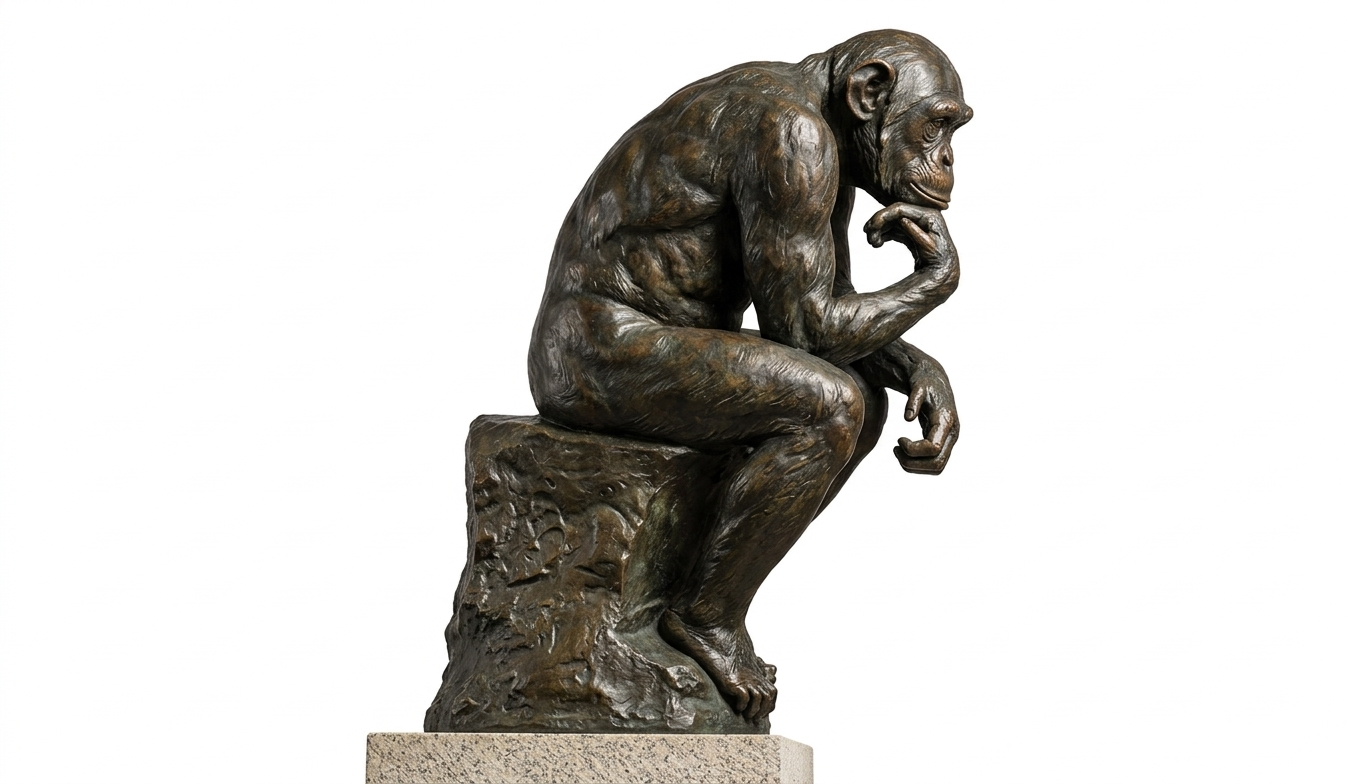
Mental models, decoded from real events
See the hidden forces behind the events that shaped the world — and build a mind that spots them everywhere.
In the late 1990s, Enron Corporation was the darling of Wall Street — a Houston-based energy company that had transformed itself into a trading powerhouse valued at $70 billion. Fortune magazine named it "America's Most Innovative Company" for six consecutive years. Behind the accolades, however, a very different reality was taking shape. Enron's executive compensation was tied almost entirely to stock price and reported earnings. CEO Jeffrey Skilling and CFO Andrew Fastow were rewarded lavishly when quarterly numbers went up — Skilling earned over $132 million in compensation between 1998 and 2001. The company's culture celebrated hitting targets above all else; employees who questioned the numbers were sidelined or fired. When the thing being measured became the thing being chased, th...
Popular framing: Skilling and Fastow were crooks who cooked the books and got caught.
Structural analysis: Compensation tied almost entirely to stock price and reported earnings converted the measurement into the target; Goodhart's Law plus a culture that punished questioners produced steadily more aggressive accounting. Principal-agent gaming let executives extract while shareholders held the residual risk; information asymmetry between traders and auditors kept the off-balance-sheet vehicles invisible. Replace the cast with another set of executives facing the same compensation geometry and the trajectory is highly predictable.
The 'bad actors' frame is psychologically satisfying and legally necessary but epistemically dangerous: it allows every institution that participated to exit the story as a bystander rather than a co-producer. This preserves the incentive structures intact, guaranteeing recurrence in new forms — as the 2008 crisis demonstrated within seven years. Understanding Enron as a systems failure is prerequisite to designing governance that actually prevents the next version.
See the hidden forces behind the events that shaped the world — and build a mind that spots them everywhere.