Loading...
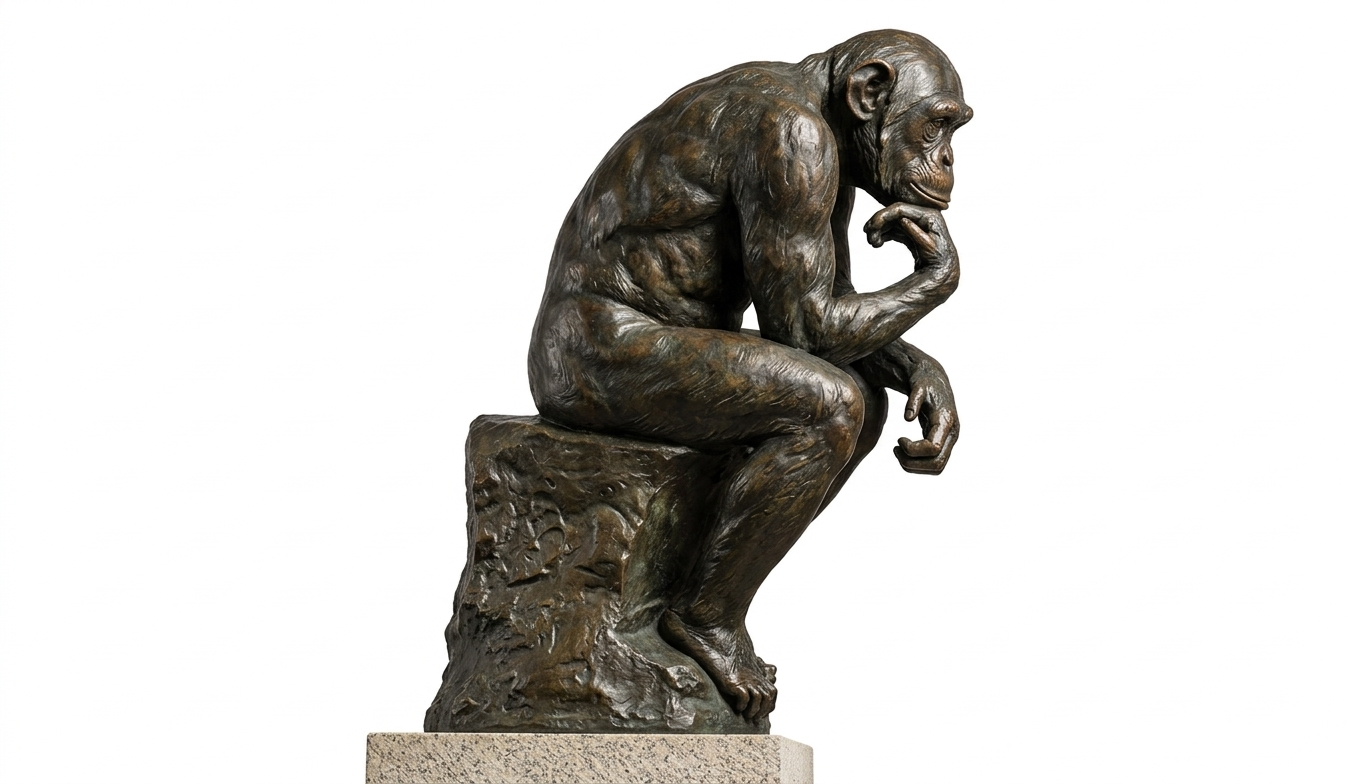
Mental models, decoded from real events
See the hidden forces behind the events that shaped the world — and build a mind that spots them everywhere.
Mira teaches 7th-grade biology at a public school in Portland. In September 2024, she ran an experiment with her two sections of 28 students each. Both sections studied the same unit on human body systems over three weeks. Section A got her standard approach: clear verbal lectures with key terms on the whiteboard. She explained the circulatory system, naming the four chambers of the heart, tracing blood flow from vena cava to aorta, and describing how oxygen exchange works in the alveoli. Section B got identical lectures, but Mira added something: she drew simple diagrams as she spoke. A cartoon heart with arrows showing flow. Lungs with tiny grape-cluster alveoli. She also encouraged students to sketch their own versions in the margins of their notes. Some students doodled hearts with ...
Popular framing: Some students are 'visual learners' and others aren't.
Structural analysis: Encoding the same content through both verbal and spatial channels lays down two independent retrieval traces, so when one fades the other survives; student-generated drawings also force elaboration and double as retrieval cues later. The gap between sections is a redundancy property, not a talent difference.
When the popular frame wins, schools invest in display technology and pre-made infographics rather than restructuring class time to include student-generated drawing. This is a classic case where the visible artifact (the diagram) is mistaken for the cause, obscuring the invisible process (generative retrieval) that produces the effect. The gap matters because it predicts which interventions will replicate and which will fail quietly in the next classroom.
See the hidden forces behind the events that shaped the world — and build a mind that spots them everywhere.