Loading...
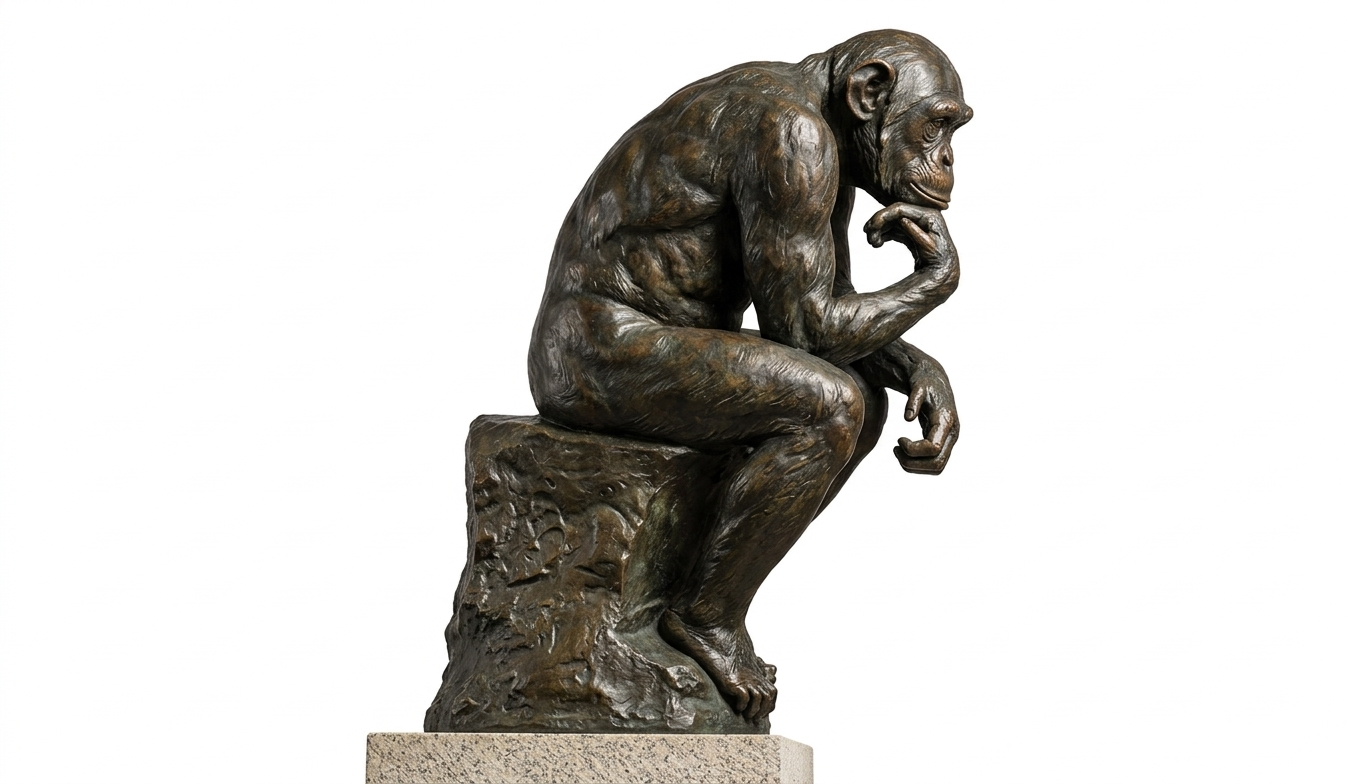
Mental models, decoded from real events
See the hidden forces behind the events that shaped the world — and build a mind that spots them everywhere.
In 2019, SoftBank's Vision Fund had invested $4.4 billion into WeWork at a $47 billion valuation. The thesis seemed bulletproof: commercial real estate was a $3 trillion market, WeWork was growing 100% year-over-year, and flexible workspace was the future. But a simple Fermi estimation would have revealed the absurdity. Break it down: ~60 million office workers in the US, maybe 5% would ever use coworking, average revenue per desk of $500/month, and WeWork's market share maxing at perhaps 20%. That gives roughly $3.6 billion in total addressable revenue — meaning WeWork was valued at 13x its entire theoretical ceiling, not its current revenue. The answer wasn't close; it was on another planet. The deeper problem was a failure to understand normal distributions versus fat-tailed ones. So...
Popular framing: SoftBank fell for Adam Neumann's hype.
Structural analysis: Forward-from-optimism valuation skipped the Fermi check that would have shown WeWork priced at 13x its theoretical revenue ceiling; the bet implicitly assumed a power-law platform business when the underlying commercial real estate distribution is normal, bounded by physical lease economics. Inversion — asking what would have to be true for $47B — was never run, so the margin of safety was negative. Randomness in the post-2008 freelancing moment looked like signal; the winner's curse paid out exactly as Fermi would have predicted.
Focusing on Neumann obscures the replicable failure mode: when investors lack a Fermi-estimation habit, they cannot distinguish between a business with fat-tail upside (where extreme valuations can be rational) and one with a hard physical ceiling. The gap matters because the same error recurs whenever narrative velocity outpaces arithmetic sanity-checking — the lesson is methodological, not biographical.
See the hidden forces behind the events that shaped the world — and build a mind that spots them everywhere.