Loading...
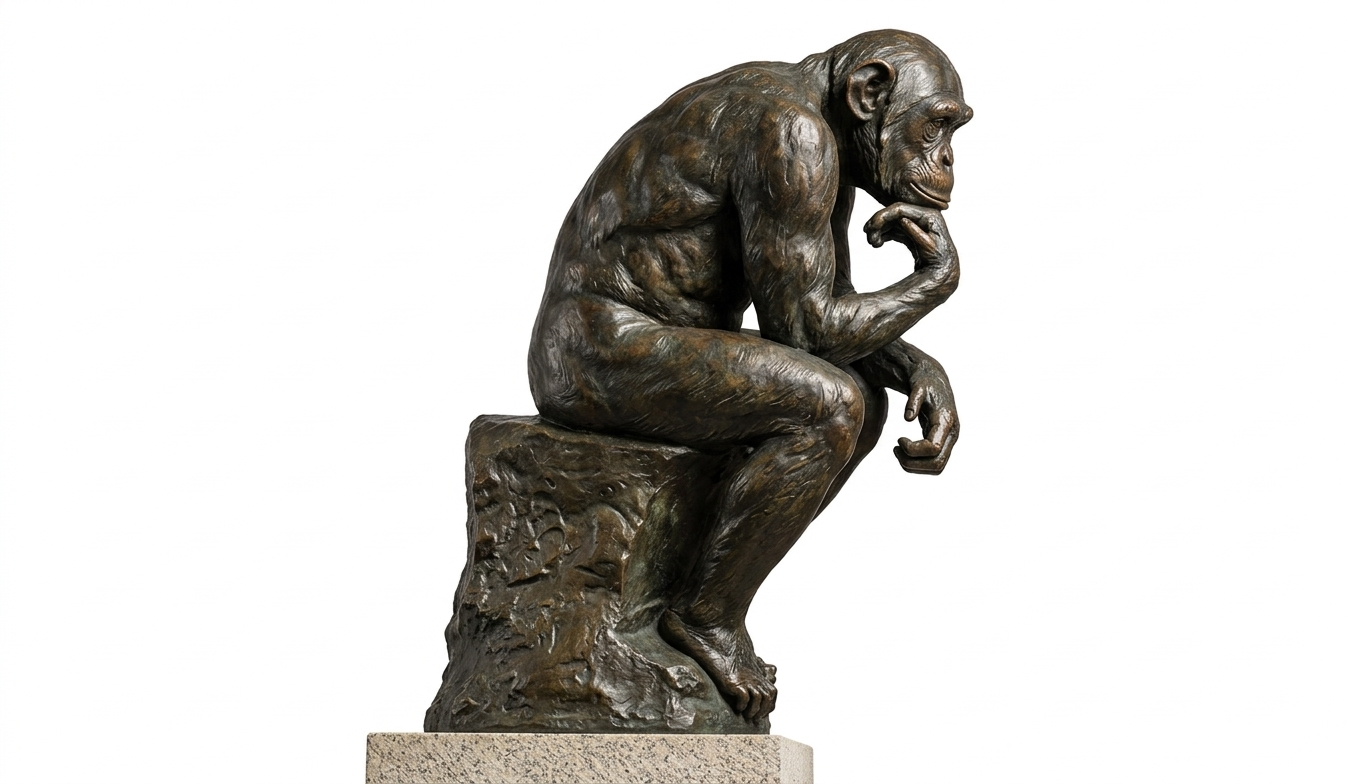
Mental models, decoded from real events
See the hidden forces behind the events that shaped the world — and build a mind that spots them everywhere.
Daniel Kahneman and Donald Redelmeier began by simply watching. In 1994, at Toronto's Wellesley Hospital, they gave 154 colonoscopy patients a handheld marker and asked them to rate their pain, 0 to 10, every 60 seconds through the entire procedure. Two individual traces from that study (Fig. 1 of their 1996 paper in Pain) became a small parable: Patient A's procedure lasted 8 minutes and ended abruptly, moments after a spike to peak pain. Patient B's procedure lasted 24 minutes — three times as long, with far more total pain — but the last several minutes were mild, tapering toward zero. Judged by total suffering, B had the worse experience. Judged by memory, the picture flips: retrospective ratings tracked peak pain and end pain, not duration — a finding they called Duration Neglect. ...
Popular framing: Kahneman had a flash of genius and discovered that endings matter.
Structural analysis: Retrospective evaluation of pain is constructed from the peak intensity and the final moment; duration neglect makes total minutes nearly irrelevant to the remembered experience. Adding mild end-pain lowered the peak's dominance in the remembered narrative, even though it raised total suffering — the map (memory) and territory (real-time experience) diverge by architectural design. The finding emerged from decades of incremental research; the lone-genius framing is narrative-fallacy compression of a structural feature of how memory itself is built.
The popular framing treats peak-end as a persuasion trick, missing that the study exposes a structural divergence between two legitimate utility systems operating in the same person. Closing this gap requires institutions to explicitly track and design for memory as a clinical outcome — not to manipulate patients, but because memory governs the behavior that determines whether preventive medicine actually works at population scale.
See the hidden forces behind the events that shaped the world — and build a mind that spots them everywhere.